
Every seasoned driver or owner-operator out there has heard the same story: someone jumped into dry van hauling, ran a few loads, and then burned out because they couldn’t keep the freight rolling. According to multiple community polls across U.S. trucking forums and owner-operator Facebook groups, load consistency and knowing your numbers are the two biggest reasons carriers either thrive — or stall out — in the dry van world. If you’re serious about building something sustainable, this guide is where you start.
Is Dry Van Profitable in the USA?
Short answer? Absolutely. But like anything in trucking, profit doesn’t come from luck — it comes from running smart. The dry van segment consistently moves more freight than any other trailer type in North America. According to the American Trucking Associations (ATA), trucking accounts for roughly 72% of all U.S. freight tonnage, and dry van trailers carry the lion’s share of that volume.
The FreightWaves SONAR platform and DAT Freight & Analytics regularly show dry van spot rates fluctuating between $1.80 and $2.80 per mile nationwide, with contract lanes often pushing even higher. That range isn’t small change — an owner-operator running 10,000 miles a month at $2.20/mile is grossing $22,000 before expenses. Managed right, that’s real money.
The real challenge is increasing fuel expenses, unexpected maintenance, insurance, and extended empty miles, all of which eat gross earnings fast. Smart owners who keep an eye on the cost-per-mile (CPM) and always run loaded miles seriously outpace those who don’t. Profitability requires both careful calculation and effective driving.
“Dry van is the bread and butter of American trucking. There’s always freight moving. The question is whether you’re set up to capture it consistently.”— Common sentiment in DAT carrier community boards
Guide to Running a Dry Van Trucking Operation
Choosing to run a dry van isn’t just a business decision— it’s a lifestyle choice. Means, no temp controller headaches, no special endorsements, lower compliences, no paperwork for most loads. You haul the freight from one place to another.
You can read also: How to Make Hotshot Trucking Profitable?
Understanding Dry Van Trucking — What It Is and Who Uses It
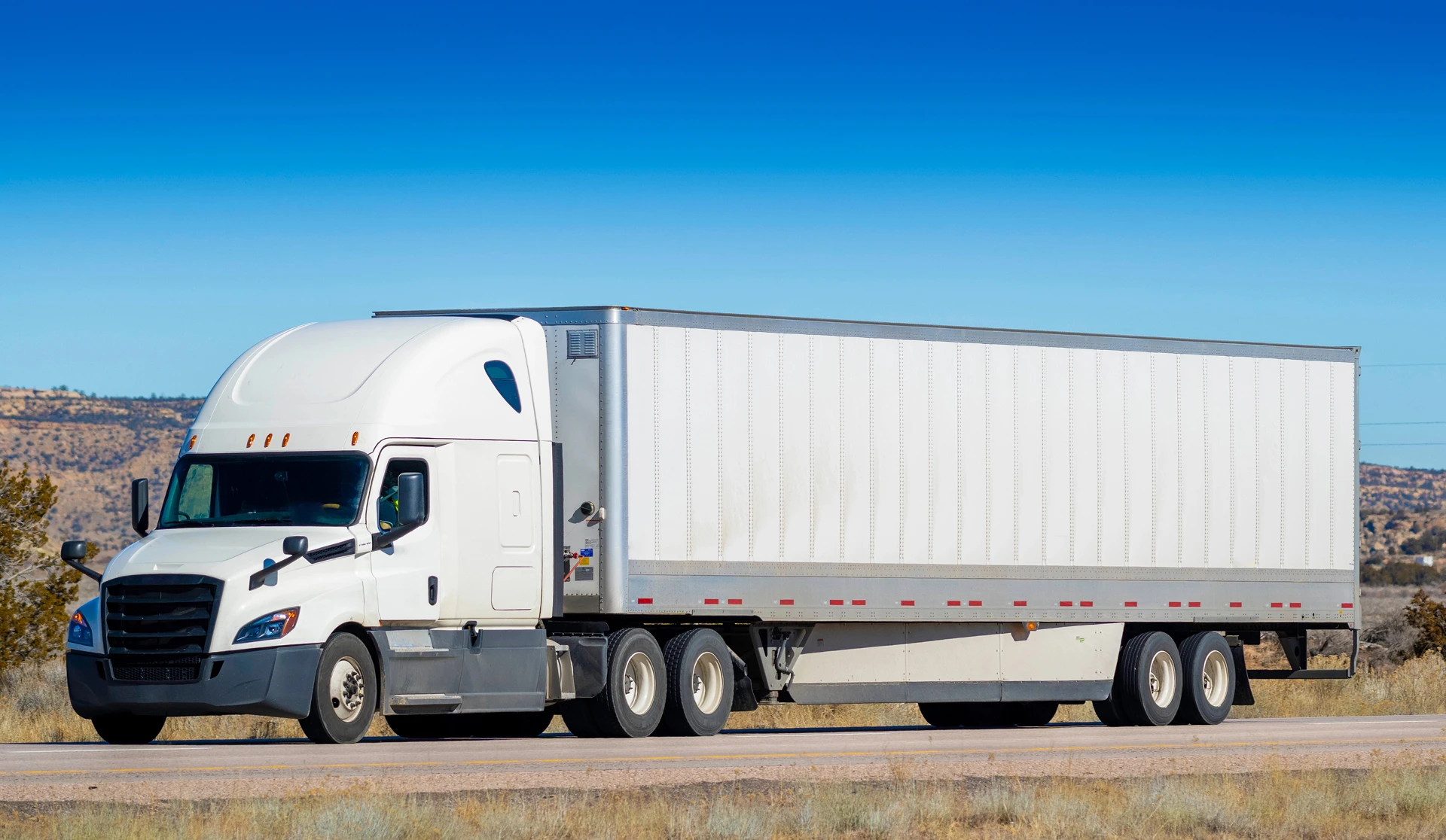
A dry van trailer is an enclosed, non-temperature-controlled trailer — typically 48 or 53 feet long — used to haul general freight. Think electronics, clothing, canned goods, household products, auto parts, and industrial supplies. Virtually every major retailer, manufacturer, and distributor in the country ships on dry van at some point.
What makes dry van the backbone of the trucking industry is its versatility. You’re not locked into a niche. Amazon ships on a dry van. Walmart ships on a dry van. Dozens of regional manufacturers fill those trailers every single day. That means freight volume is massive and consistent — something every carrier needs to survive.
Advantages of Hauling Dry Van
The dry van lane comes with some serious benefits that keep carriers coming back. Here’s what the community consistently points to:
High Freight Volume
More shippers move freight on dry vans than on any other trailer type. Empty miles are easier to recover because loads are everywhere — east, west, north, south.
Lower Entry Barrier
No reefer unit, no tanker endorsement, no specialized equipment. A standard CDL-A and a 53-foot trailer is all you need to get rolling in the dry van world.
Simpler Load Handling
Most dry van freight is drop-and-hook or live-unload with a pallet jack. You’re not babysitting temperatures or monitoring pressure gauges. Get in, get out, keep moving.
Contract Lane Stability
Established dry van carriers often lock in dedicated contract lanes — predictable freight, predictable miles, predictable income. That’s how you build a real business, not just chase rates.
Disadvantages of Choosing Dry Van Hauling
Real talk: dry van isn’t all smooth sailing down a straight interstate. There are challenges worth understanding before you commit your capital.
Heavy Rate Competition
Because the barrier to entry is low, a lot of carriers flood the dry van lane. When capacity is loose, rates drop fast — and that squeezes margins if you’re not running lean.
Deadhead Risk
Rural areas and freight-imbalanced regions can leave you hunting for a backhaul. Carriers without strong load sourcing relationships take the hit on empty miles — which kills your CPM numbers.
Dock Wait Times
Live loads and live unloads at busy distribution centers can mean hours of detention. If your contract doesn’t have strong detention language, that’s unpaid time eating into your revenue.
Spot Market Volatility
Relying too heavily on spot freight means your income swings with the market. 2023 was a brutal freight recession lesson for spot-dependent carriers across the board.
Find a Consistent Load Source for Dry Van Trucking
Here’s where most small carriers stumble. They buy the truck, get the authority, and then scramble for freight week to week. A profitable dry van operation runs on consistent, reliable load volume — not a lucky streak of good spot rates. Building that foundation takes a deliberate strategy.

Building a consistent load pipeline is the foundation of every profitable dry van carrier.
Rely on Load Boards and Brokers
Platforms like DAT, Truckstop.com, and 123Loadboard are the starting point for most new carriers. These load boards offer you access to thousands of available loads every day. The trick is learning to filter by lane profitability — not just rate per mile, but rate per mile accounting for your actual deadhead to pickup. Brokers can become partners over time. Build relationships with three to five solid freight brokers who know your lanes, and you’ll have a reliable first call option before the board even loads in the morning.
Hire a Dedicated Dispatcher
As new operators guess, a dry van dispatcher isn’t an expense — they’re a revenue multiplier. A dispatcher who knows your equipment, your preferred lanes, and your operating costs will consistently find better-paying freight than a driver searching alone between hours of service. They allow you to focus on driving while negotiating rates, handling communication, and planning a route. Owner-operators routinely report higher revenue per mile with a dedicated, experienced dispatcher than those going it alone, according to multiple small-carrier surveys published by OOIDA and trucking publications such as Commercial Carrier Journal.
Direct Contact with Shippers or Companies
This is the holy grail of dry van load sourcing. Once you manage shipper relationships successfully, you secure a consistent freight for a long while without broker margin. While recognizing this importance, always focus on identifying manufacturers, retailers, and distributors in your home region and beyond. Strengthen your professional relationship: fair price, be punctual, follow safety metrics, etc. It takes time to build, but carriers who land even one or two solid shipper relations say it’s the biggest single shift in their profitability.
Bottom Line: Earning Maximum with Every Dry Van Mile
Profitable dry van trucking isn’t out of the question—it’s methodical. Carriers who rule this lane are common in some ways. For example, they know their cost-per-mile, avoid loads without backhaul options, and build relationships rather than chase the board.
Here’s the short version of everything that matters:
- Track your CPM religiously — every fuel stop, every tire, every maintenance dollar
- Reduce deadhead miles as much as possible
- Use spot rates as a supplement, never as your entire strategy
- Negotiate detention language into every broker agreement before you accept the load
- Invest in dry van dispatcher support — your driving time is worth more than the time spent chasing the load for your van
- Chase direct shipper relationships — one account can replace dozens of spot loads
- Always have a 30-day operating reserve — the market shifts, and equipment breaks